

Case Study
Real-Time Analytics for Retail Operations
Disconnected sales and inventory visibility limited the organization’s ability to respond quickly to demand changes across retail locations.
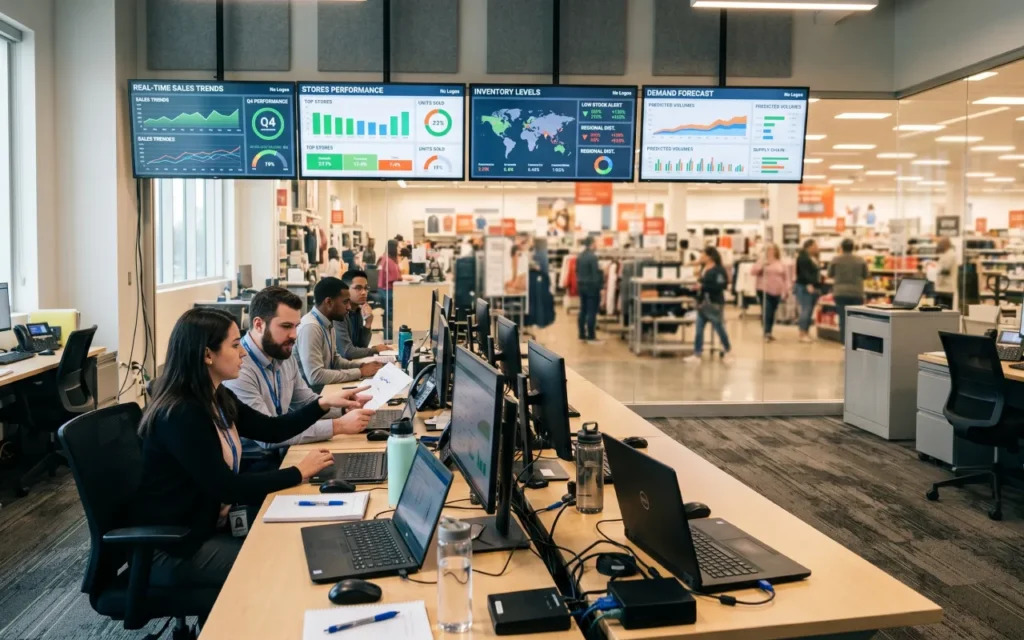
The retail organization required a more responsive and unified view of sales performance, inventory movement, and store-level activity.
Existing reporting processes were delayed and fragmented, making it difficult to respond to demand shifts, stock imbalances, and performance variations across locations.
The engagement focused on enabling real-time visibility into retail operations by improving how data was captured, structured, and made available for decision-making.
Challenge
The operating problem that needed a practical response.
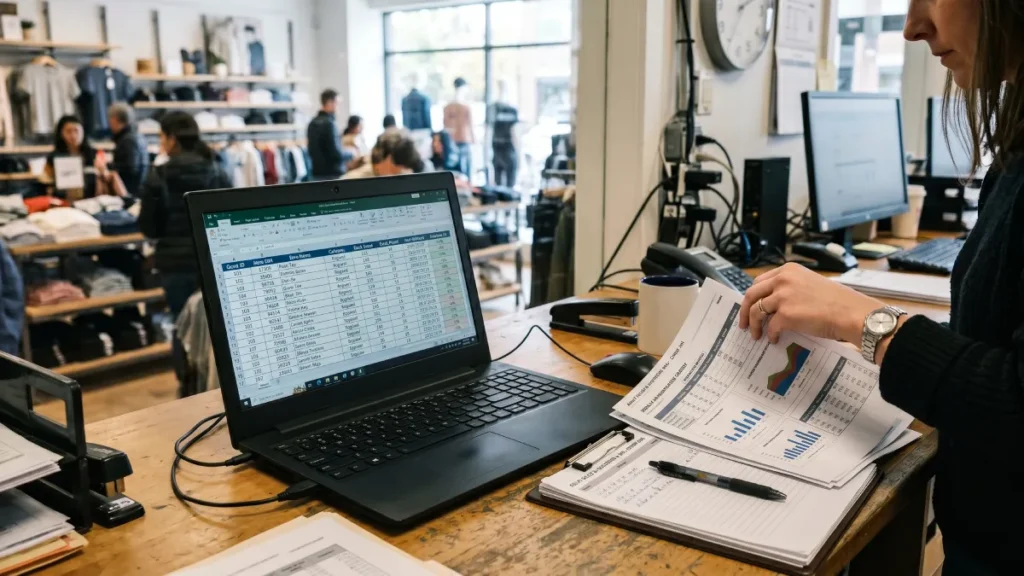
Retail operations were constrained by delayed visibility into sales performance and inventory movement across multiple locations.
This lack of real-time insight made it difficult to respond quickly to changing customer demand and store-level performance variations.
- Sales and inventory data were updated in delayed cycles, limiting responsiveness to demand shifts.
- Store performance information was fragmented across multiple systems and reports.
- Teams lacked a unified view of stock availability and sales trends across locations.
- Decision-making relied on historical reports rather than real-time operational signals.
Solution and approach
The engagement focused on establishing a real-time analytics layer for retail operations that connected sales, inventory, and performance data into a unified decision view.
Rather than replacing systems, the approach focused on improving data flow, visibility, and consistency across existing retail processes.
- Discovery
- Retail sales workflows, inventory tracking processes, and reporting systems were analyzed across store operations, distribution, and head office teams.
- Key gaps were identified in how quickly data moved from store activity into usable operational insights.
- Design
- A real-time analytics framework was designed to connect sales, inventory, and store performance data into a consistent reporting structure.
- This included defining key retail performance indicators and establishing standardized data refresh and reporting logic across locations.
- Implementation
- Retail reporting workflows were adjusted to improve data flow between store systems, inventory tracking, and central reporting structures.
- Teams were aligned on consistent definitions of sales, stock movement, and performance metrics to ensure comparability across locations.
- Measurement
- Post-implementation, improvements were evaluated in reporting speed, data consistency, and decision responsiveness across retail operations.
- Focus was placed on how quickly leadership could identify and respond to sales trends and inventory fluctuations.
Results
The measurable change created by the engagement.
The organization achieved a more responsive retail operations model with improved visibility into sales and inventory performance across locations.
Decision-making became faster and more aligned with actual store-level activity rather than delayed reporting cycles.
Operational coordination improved across stores, inventory teams, and leadership.
Faster operational insightImproved speed in accessing sales and inventory performance data.
Better demand responsivenessImproved ability to react to sales trends and stock fluctuations.
Unified retail visibilityConsistent view of performance across all store locations.
Tools and systems
Systems and delivery assets used in the work.
- The engagement leveraged retail management systems, sales tracking tools, inventory databases, and reporting frameworks.
- Supporting elements included standardized retail performance definitions, data flow improvements, and structured analytics layers for operational visibility.
Key takeaway
Real-time retail analytics is not about adding dashboards — it is about aligning sales, inventory, and operational data into a consistent and timely decision layer.
When visibility is unified, retail organizations shift from reactive reporting to proactive operational control.